
PMO - Project Management
Identify and Manage Stakeholders
Identify and Manage Stakeholders... the success of a project does not depend only on technical efficiency, deadlines and budgets.
Identify and Manage Stakeholders... the success of a project does not depend only on technical efficiency or on meeting deadlines and budgets. A critical factor that is often underestimated is the effective management of stakeholders. Properly identifying and managing stakeholders is essential to ensure that their expectations are met and that the project is successful. The Project Management Institute (PMI) offers comprehensive guidelines for this process in the PMBOK Guide (Project Management Body of Knowledge).
Widely addressed in the initiation and planning stages, stakeholders are key pieces for the project, making the often detailed and even political work of relationship management with these involved parties necessary. The PMBOK brings two major processes involving them.
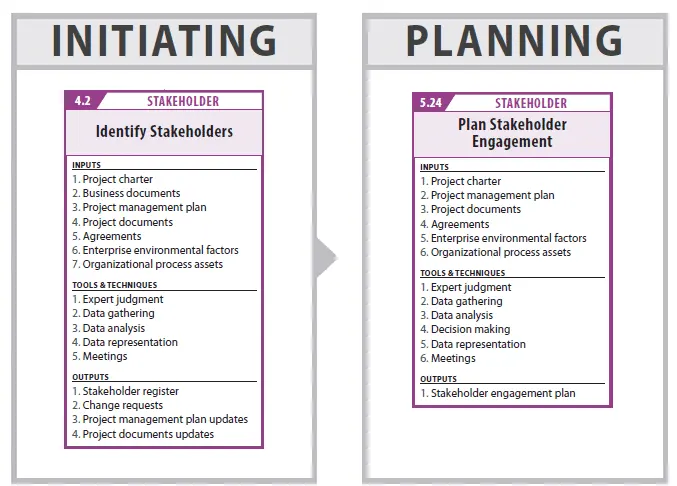
Identifying Stakeholders
The first step in stakeholder management is to identify them. The PMBOK defines stakeholders as individuals, groups, or organizations that may affect, be affected by, or perceive themselves to be affected by the outcome of a project. To identify them effectively, it is crucial to adopt a systematic approach.
- Stakeholder Analysis: Start by identifying who the potential stakeholders are. This may include clients, the project team, suppliers, partners, regulators, among others. It is important to consider both internal and external stakeholders to the project.
- Brainstorming and Consultation: Conduct brainstorming sessions with the project team to identify all possible stakeholders. In addition, consult records from previous projects, organizational documents, and other relevant sources to ensure that no stakeholder is overlooked.
- Analysis Techniques: Use techniques such as the Power/Interest Matrix and the Impact/Influence Matrix to classify stakeholders based on their level of influence and interest in the project.
Stakeholder Management Using the Salience Model
Once stakeholders have been identified, it is essential to manage them effectively. The PMBOK offers a salience model that helps prioritize engagement and communication with stakeholders based on their influence and impact on the project.
- Stakeholder Mapping: Use a salience matrix to map the identified stakeholders based on two main criteria: influence and impact. Stakeholders with high influence and high impact are considered priorities and require greater engagement and communication.
- Proactive Engagement: Identify the needs, expectations, and concerns of priority stakeholders and develop strategies to engage them proactively throughout the project. This may involve regular meetings, personalized status reports, ad hoc updates, and other forms of targeted communication.
- Personalized Communication: Adapt your communication according to the preferences and communication styles of each stakeholder. Some may prefer detailed reports, while others may prefer brief and concise updates. Keep an open communication channel to receive feedback and respond quickly to concerns.
- Continuous Monitoring: A project's environment is always evolving, and stakeholders' needs and expectations may change over time. Therefore, it is crucial to continuously monitor stakeholder engagement and satisfaction and adjust engagement and communication strategies as needed.
One way to record the work of identifying, planning, and managing actions is simply by using an Excel spreadsheet. Here is a template that addresses the most important points to observe in stakeholders.
Conclusion
Effective stakeholder management is essential for the success of any project. By using the PMBOK salience model, project managers can appropriately identify and prioritize stakeholders, ensuring that their needs are met and that the project achieves its objectives. By adopting a proactive and personalized approach to stakeholder engagement and communication, project managers can mitigate risks, solve problems effectively, and foster positive relationships that contribute to project success.